
Olivet Discourse
Today we will talk about the Olivet Discourse. Many Christians do not know what this means. The Olivet Discourse refers to the teachings of Jesus recorded in the Gospels of Matthew, Mark, and Luke, given on the Mount of Olives just days before His crucifixion. During this conversation with His disciples, He spoke about significant events, including His second coming and the end times. This teaching is crucial because it not only prepares us for what is to come but also invites us to understand the glory and authority of Jesus. As we navigate through this topic, let us be in a state of meditation, looking closely at God’s Word for insight and enlightenment.
The Background of the Olivet Discourse
The term ‘Olivet Discourse’ comes from the location where Jesus shared these profound teachings, the Mount of Olives. In Hebrew, the name “Olivet” relates to “olive,” which is significant considering that olives and olive oil symbolized peace, prosperity, and God’s blessings throughout biblical texts (Psalms 52:8, Jeremiah 11:16). Jesus chose this location overlooking the city of Jerusalem, a city that held religious and cultural importance, to speak about its future and the events surrounding His return.
Scholars suggest that this teaching is a blend of prophecy and warning. Jesus emphasizes readiness and vigilance. The message encompasses the destruction of the Temple, which had occurred in 70 AD. However, He also points towards eschatological events—meaning the end of the age—that many Christians believe is yet to come. The Greek word for discourse can refer to speech or oral communication (logos), showcasing the importance of this moment where Jesus articulates His intentions and truths.
The disciples approached Jesus with questions about the signs of His return and the end of the age (Matthew 24:3). His responses were filled with both foreboding and hope, a duality that reflects His love for humanity and concern for their spiritual state. Jesus uses vivid illustrations and parables, such as the fig tree (Mark 13:28-29), urging His followers to be alert for the signs preceding His return. As we study these teachings, we reflect on the themes of faithfulness, endurance, and the assurance that God’s plan will ultimately prevail.
The Signs of the End Times
In this section, we will discuss the signs Jesus spoke of concerning His return and the end times. He not only foretells events but also urges His followers to recognize their significance. The signs include wars, famines, and earthquakes, which represent the physical and moral turmoil of the world (Matthew 24:6-7). However, these are not merely catastrophic events but reminders for us to stay alert, akin to a watchman waiting for the dawn (Mark 13:35).
Jesus emphasizes that such signs are only the beginning of the birth pains (Matthew 24:8), indicating that these events serve as a precursor to greater tribulation. The language used here is striking, as a woman experiences pain before giving birth, symbolizing the struggle that precedes fulfillment. This suggests that while difficult days are ahead, there is also the promise of something new—His Kingdom. The Greek word for “birth pains” is “odin,” hinting at both suffering and hope. The resultant growth following pain parallels our spiritual journey, indicating that personal and communal tribulations can lead to spiritually transformative experiences.
As we witness these signs in our world today, it’s essential to remember Jesus’ instructions to remain steadfast. He warns against being led astray by false prophets and messiahs (Matthew 24:24). He encourages discernment and urges us to remain firmly rooted in His teachings. It’s a gentle reminder that while chaos prevails, our faith should remain anchored in Him. The fact that He shares these signs shows His compassion; He desires that we prepare our hearts and lives for His return. This revelation teaches us to continually examine our spiritual readiness and understand our role in the grand narrative of His redemptive history. As the Church, we are called to be light bearers in times of darkness, pointing others toward the hope found in Christ.
The Coming of the Son of Man
In this section, we explore the exciting and majestic return of Jesus, referred to as the Coming of the Son of Man. Jesus spoke clearly about His return, describing it in vivid imagery (Matthew 24:30) that resonates through the ages. The phrase “the Son of Man” carries significant weight; it originates from Daniel 7:13-14, where it denotes authority and majesty. Jesus, as the Son of Man, fulfills this prophetic imagery, reminding His followers of His divine kingship and the ultimate establishment of His Kingdom.
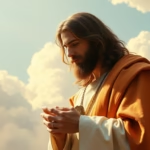
When He returns, Scripture states that He will come on the clouds of heaven, accompanied by angels with great power and glory (Matthew 24:30). This scene is one of triumph; it contrasts with the humility of His first coming. The description sparks anticipation and encourages us to live with urgency and purpose. The Greek term used for “coming” is “parousia,” which signifies an arrival or presence. This signifies a personal, visible return where Jesus will gather His faithful followers from the ends of the earth (Matthew 24:31). This gathering or rapture reflects intimacy and connection; God desires a relationship with us that transcends worldly troubles.
It’s important to remember that while we anticipate His return, we are called to actively engage in the present. This return will not merely be a moment of escapism but the culmination of God’s redemptive mission. Jesus encourages us to keep watch (Mark 13:33) and stay engaged with our communities, sharing the Gospel and extending love to those around us (Matthew 28:19-20). The promise of His return instills hope and purpose; we are not waiting idly but working in faith, believing that He is faithful to His word. In this way, we live in a state of joyful expectation, trusting that He will return and fulfill His promises.
The Parables in the Olivet Discourse
Within the Olivet Discourse, Jesus shares several powerful parables that paint vivid pictures of faithfulness, preparedness, and the character of the Kingdom. One significant parable is that of the ten virgins (Matthew 25:1-13). This parable illustrates the vital nature of being vigilant and prepared for Jesus’ return. The five wise virgins who brought extra oil represent believers who actively prepare their hearts and lives for His coming. Their readiness underscores the importance of our personal relationship with Christ; simply being part of a group is not enough. Each believer is accountable for their spiritual well-being.
Another instructive parable is that of the talents (Matthew 25:14-30). Here, a master entrusts his possessions to his servants before going away. Each servant is given different amounts according to their abilities, and upon the master’s return, accountability is required. The talents symbolize the gifts and resources God has entrusted to us. This narrative urges us to utilize our God-given abilities for His glory. The one who hid his talent out of fear illustrates what happens when we fail to engage with what God has provided. In contrast, those who invested their talents are rewarded, highlighting God’s desire for us to both step out in faith and cultivate what He has shared with us.
The parables serve as practical reminders for Christians to actively engage in service and share their faith. They offer guidance for our actions, encouraging us always to be mindful of our calling. Reading and meditating on these stories can inspire us to evaluate our relationship with God. Are we actively preparing for His return? How are we utilizing our gifts? Jesus used parables not just to convey truths but to challenge our understanding and shake us from complacency.
The Promise of His Presence
Throughout the Olivet Discourse, there’s an underlying promise of Jesus’ unyielding presence in the lives of His followers. He assures the disciples that they are not left alone (Matthew 28:20). The call to keep watch and be prepared is accompanied by His everlasting peace and assurance. Jesus embodies both the urgency of the message and the comfort of His companionship. When faced with challenging times, we can rest in the hope found in His promises.
Jesus’ return is presented not just as an event but as a culmination of His desire for a relationship with humanity. In John 14:3, He expresses His desire to come back and take us to be with Him. This promise keeps our hearts anchored in hope, knowing that our ultimate destination lies with Him. The call to prepare is gently intertwined with His assurances of being present in our lives.
As we reflect on the Olivet Discourse, we realize that Jesus desires us to live lives filled with purpose. We have the assurance that no matter what unfolds around us, we can remain steadfast in our faith, assured of His second coming. Encouragement flows from understanding that we are involved in His plan. Each believer is woven into the intricate tapestry of His purpose. Recognizing this truth allows us to share with others the hope and grace of our Lord, making us vessels of His love until He returns. Our hearts can rejoice in the promise of His presence as we await the realization of His Kingdom.
Final Thoughts
As we wrap up our discussion on the Olivet Discourse, it’s essential for us to understand the significance of what Jesus communicated on the Mount of Olives. He provided us with a sense of urgency through His teachings on the signs of His return and the end times. This discourse is rich with prophetic imagery and practical parables that encourage us to live actively for Him and with one another.
We are reminded of His role as the Son of Man who desires a personal relationship with us, leading to our calling to be vigilant and prepared for His glorious return. The promise of His presence offers us peace and reassurance amidst the uncertainties of life. As we reflect on these teachings, we find ourselves being called to action, to utilize our gifts, and to remain steadfast in our faith.
Therefore, let’s embrace this invitation to prepare our hearts and lives according to His word. We should seek to engage our communities with His love and share the message of hope found in the Gospel. With each passing day, we can choose to live in light of His imminent return, awaiting that day when we will be together with Him forever. Let’s encourage one another as we live out this beautiful journey of faith toward His Kingdom.
Further Reading
30 Bible Verses About Israel (With Explanation)
4 Ways to Encounter Grace and Truth: A Study on John, Chapter 4




Bible Commentary, Blog
30 Important bible verses about selflessness (With Explanation)